_PNG.png)
Diecast Metal Cars: The Ultimate Buying & Collecting Guide

Updated: Jul 28
Ask any collector how it started, and you'll usually get some version of the same story: a single model, a gift or an impulse buy, that somehow turned into a shelf, then a cabinet, then a whole room. That's the pull of diecast metal cars. They take something most of us loved as kids — cars — and turn it into a hobby that can last a lifetime. Unlike plastic toys that crack or fade within a year, a decent diecast model can sit on a shelf for twenty years and still look showroom-fresh.
This guide is for anyone standing at either end of that journey — picking up their first model, or hunting down a hard-to-find 1:18 scale diecast car to finish a set. We'll get into what these models are actually made of, why people get hooked on them, which types are worth your money, and how to keep a collection looking good for years instead of months.

So, What Exactly Are Diecast Metal Cars?
At the most basic level, a diecast metal car is a miniature vehicle made by injecting molten metal — usually a zinc alloy called zamak — into a steel mold under pressure. That process is what gives these models their weight and their durability. It's also why they hold detail so much better than a plastic toy ever could.
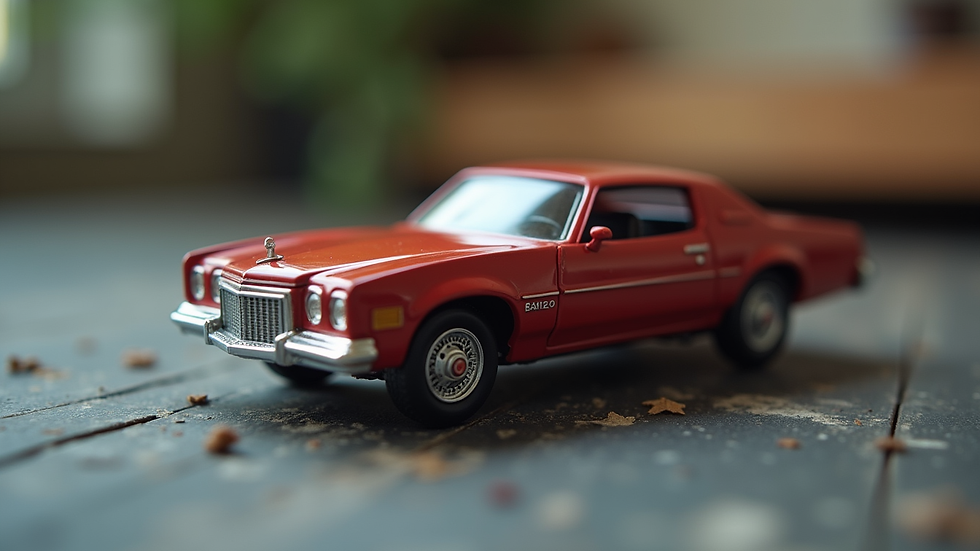
Pick up a well-made diecast scale model car and you'll notice the difference immediately: doors, hoods, and trunks that actually open, wheels that roll independently, mirrors that fold in, and interiors detailed right down to the seat stitching. The paint isn't just molded-in color — it's sprayed and finished the same way a real car would be, which is why good models have that glossy, factory-grade shine.
That's the standard we hold ourselves to across our Diecast Metal Cars range — models picked for how accurately they're built, not just how many units we can move.
Why People Keep Coming Back to This Hobby
A few things keep pulling collectors in, year after year.
It's built to last. Metal doesn't warp, crack, or turn brittle the way cheap plastic does. Buy a well-made model today, and there's a decent chance it outlives the actual car it's based on.
The proportions are right. Most diecast metal cars follow strict scale ratios — 1:18, 1:24, 1:32, 1:64 — so every detail, down to where the mirrors sit, matches the real vehicle. This is exactly why serious collectors go out of their way for 1:18 scale diecast cars; that bigger scale leaves room for far more detail.
There's a story in every model. Whether it's a vintage diecast car modeled on a 1960s muscle car or a brand-new supercar release, each one is a small piece of automotive history. A lot of collectors end up building sets around a decade, a brand, or a specific racing era, almost without meaning to.
Some of it holds value. Limited runs and discontinued models can genuinely appreciate over time, not unlike how classic car collectibles behave in the full-size world.
And honestly, it's a hobby the whole family can share. A grandparent's model from the eighties sitting next to a grandkid's newest pickup is the kind of thing that starts conversations about design, engineering, and where cars have been.
The Different Types Worth Knowing About
Classic and vintage models
These recreate the golden decades of car design — big American cruisers from the fifties, European roadsters from the sixties, muscle cars from the seventies. If nostalgia is what drives your collecting, our Classic Car and Vintage Car blog categories are worth a browse before you buy — a little context makes the models mean more.
Sports cars and supercars
Ferraris, Lamborghinis, Porsches — these tend to be the crowd favorites among diecast scale model cars, thanks to their aerodynamic curves and that glossy, showroom-level paint finish.
Racing and motorsport replicas
Formula 1 cars, rally cars, NASCAR liveries — these appeal to a particular kind of collector, the one who wants their favorite team's colors sitting in metal on a shelf.
Everyday and utility vehicles
Not everyone wants a dream car. SUVs, hatchbacks, and commercial vehicles round things out for collectors who prefer relatable, real-world design over exotic machines.
Beyond four wheels
The same craftsmanship that goes into diecast cars also goes into two-wheelers. If bikes are more your thing, our Diecast Metal Bikes collection carries the same attention to engineering detail.
How to Actually Pick a Good One
Buying diecast metal cars shouldn't be a matter of grabbing whatever looks decent in a product photo. A few things separate a purchase you'll be happy with from one you'll regret:
Know your scale before you buy. Decide early whether you're building a 1:18, 1:24, or 1:64 collection. Mixing scales on the same shelf tends to look off, though plenty of collectors just keep separate cases for each.
Feel the weight. A genuine zamak body feels noticeably heavier than the cheap alloy-plastic hybrids out there. Honestly, weight is often the quickest way to spot quality before you've even checked the paint.
Check the moving parts. Doors and hoods should open smoothly and close flush, not stick or rattle. Wheels should roll freely and sit level on a flat surface.
Look for proper licensing. Officially licensed models carry the manufacturer's actual branding, and they tend to hold their resale value far better than generic look-alikes.
Don't toss the box. If there's any chance you'll resell down the line, keep the original packaging — mint-in-box condition can make a real difference to what a model is worth later.
If you'd rather just browse and compare, our Shop page lets you filter by scale, brand, and price so you're not guessing.
Building a Collection With Some Direction
Most collectors eventually move past buying whatever catches their eye and start curating around a theme. A few approaches that tend to work:
One shelf for a decade — say, the sixties — and another for modern supercars
Chasing every generation of a single model from one manufacturer
Grouping by racing team or season
Mixing diecast cars with Diecast Metal Bikes for a broader automotive display
It doesn't just make the shelf look better — it gives every new purchase a reason to exist, instead of feeling like another impulse buy.
Keeping Your Collection Looking Sharp
A little maintenance goes a long way here:
Dust with a soft, dry microfiber cloth — skip feather dusters, they can scratch the clear coat. Keep models out of direct sunlight, since that's what fades paint and warps rubber tires over time. Store them somewhere with stable humidity so the metal doesn't oxidize. Handle them with clean, dry hands — skin oils etch into paint more than people expect over the years. And if resale value matters to you at all, hang on to the original boxes; collectors pay real money for mint packaging.
Buying Diecast Metal Cars as Gifts
There's something about a well-made model that makes it a genuinely good gift — for a car enthusiast, a serious collector, or even a kid just discovering automotive design. If you want something more personal than an off-the-shelf model, our Customized Products range lets you personalize a gift for a birthday, anniversary, or festive occasion.
Shopping for a younger recipient rather than a serious collector? Pairing a starter model with something from our Kids Toys or Action Figures range usually makes for a more well-rounded gift.
A Bit of History, Because It Actually Matters
Die-casting as a technique goes back to the early 1900s, but it wasn't applied to toy vehicles until the 1930s and 40s, when manufacturers started replacing tin and lead models with more durable zinc-alloy castings. By the sixties and seventies, diecast cars had become a genuine global hobby, with opening doors and increasingly accurate scale ratios becoming the norm rather than the exception. Today's diecast metal cars carry that same DNA forward, just with better paint technology and actual licensing deals with automakers — which is part of why a good model now captures a car's design language more faithfully than anything from decades past.
Knowing this history is more than trivia, too. It's why certain eras and manufacturers command higher resale prices — early, hard-to-find castings are essentially pieces of toy-manufacturing history, not just small cars.
Mistakes Almost Every New Collector Makes
Nobody gets it perfect on their first purchase, but a few missteps come up again and again:
Buying purely on looks and ignoring scale — a beautiful model in the wrong scale throws off an entire shelf. Skipping authenticity checks — unlicensed replicas often use thinner metal and paint that scratches within weeks, so it pays to check the seller first. Tossing the packaging — even collectors who only ever display their models, never resell, tend to regret this one eventually. Overcrowding a shelf, which raises the odds of an accidental knock and a chipped paint job. And ignoring climate — humidity and sunlight cause more long-term damage than almost anything else, and both are entirely avoidable.
Quick Questions People Usually Ask
What are diecast metal cars actually made from?
Mostly zamak, a zinc-aluminum alloy known for its strength and how well it holds fine detail — a big step up from the plastic used in standard toy cars.
What's the best scale to collect?
Depends what you're after. 1:18 scale diecast cars pack in the most detail and are the go-to for serious collectors, while 1:64 models are compact, cheaper, and easier to display in bigger numbers.
Are these okay for kids?
Entry-level models make a fine introduction, but the highly detailed collector-grade pieces with small opening parts are really better suited to older kids, teens, and adults.
Do they actually go up in value?
Sometimes. Limited editions, discontinued releases, and anything still in its original box tend to appreciate, the same way classic car collectibles do in the full-size world. Nothing's guaranteed, but scarcity and condition are the two biggest factors.
How should I display them?
A glass or acrylic case with UV-filtering panels keeps dust and sun damage away without hiding all the detail you paid for.
Where to Actually Buy Genuine Ones in India
Getting an authentic model matters more than people realize — the cheap replicas out there use thin alloy, get proportions wrong, and chip within weeks. At Siri Toy Collections, every model in our catalog is chosen for craftsmanship and collectible value, whether that's a vintage classic, a modern supercar, or a motorsport icon.
Have a look at the full range on our Diecast Metal Cars category page, or head to our homepage to see everything we carry, from die-cast models to action figures and customized collectibles. We've also got more collector guides under our Scale Model blog category.
Got a question about a specific model, scale, or bulk order? Reach out through our Contact page — or read more about who we are on the About Us page.
Come Say Hi
Collecting is as much about the community as it is the models themselves. Follow us for new arrivals, restocks, and the occasional behind-the-scenes look at how we pick what makes it into the catalog:
Instagram: instagram.com/siritoycollections
Facebook: facebook.com/siritoycollections
Twitter/X: twitter.com/Stccollections
YouTube: Siri Toy Collections Channel
Conclusion
Diecast metal cars sit in a strange, satisfying spot — part nostalgia, part craftsmanship, part quiet investment. Whether you're hunting a rare vintage release or slowly filling a shelf with modern supercars, the same rule applies: go for quality over quantity. Genuine materials, the right scale, and models that'll still look good a decade from now.
Start browsing the full Diecast Metal Cars range whenever you're ready, and if you're building out a wider automotive display, our Diecast Metal Bikes collection is worth a look too.


Comments